Chronicle No. 22 · Incidents
Leftover Tandoori Chicken and the Night Butter Chicken Was Improvised
At Moti Mahal in Delhi, unsold tandoori chicken met tomatoes, butter and cream, and Indian restaurant cooking changed.
Moti Mahal, in the Daryaganj quarter of Delhi, was opened after Partition by Punjabi refugees from Peshawar. Two of them shared a first name: Kundan Lal Gujral and Kundan Lal Jaggi.
Their trade was the tandoor. Tandoori chicken sold well, but it has a flaw known to every grill cook: sitting in a warmer, it dries out fast. Unsold birds at the end of a service were money burning quietly on a rack.
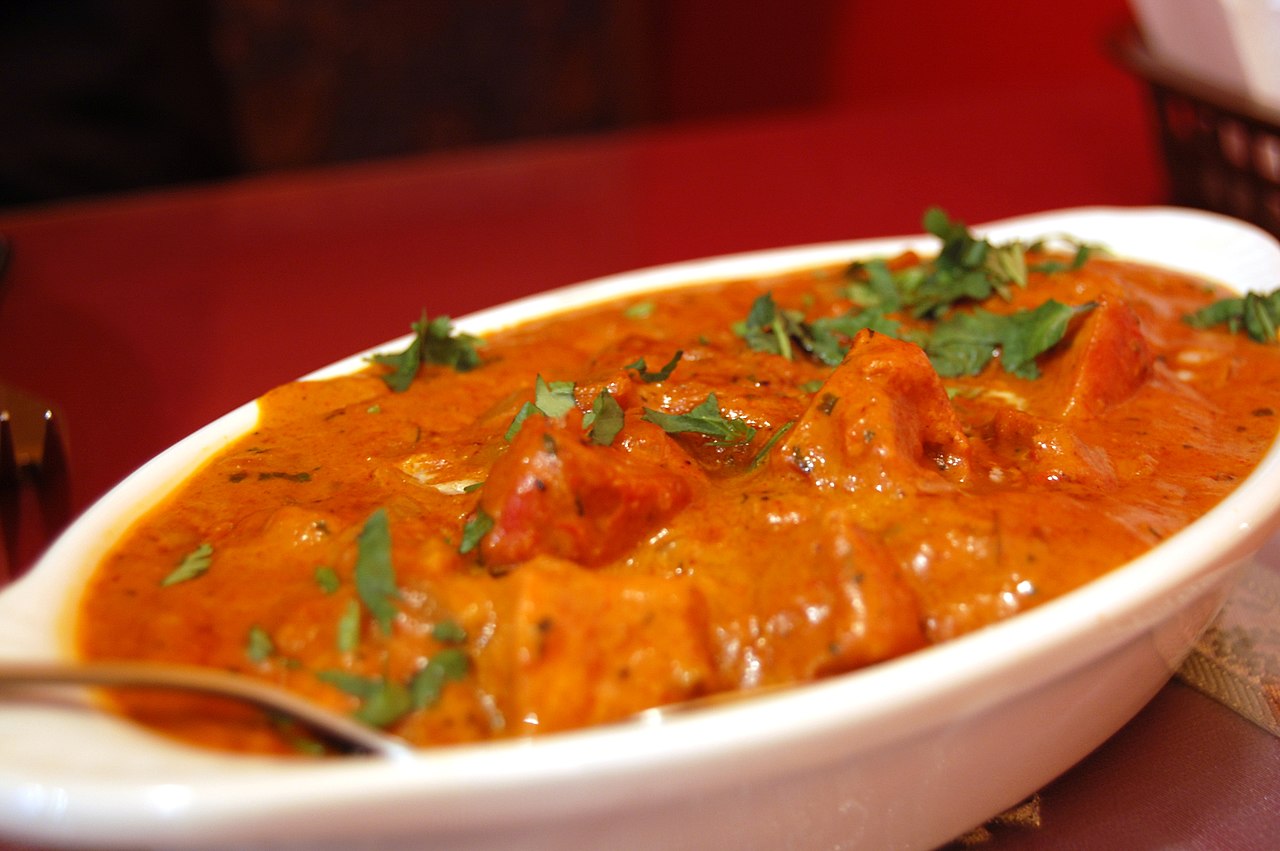
The fix, arrived at in the 1950s, was to chop the leftover pieces and finish them in a gravy of tomatoes, butter and cream, which softened the meat and stretched a small quantity across many plates. They called it murgh makhani. The rest of the world calls it butter chicken.
The claim is now contested, and honestly so:
- In 2024 the Gujral family, who run Moti Mahal, went to court against the Jaggi family, whose restaurant Daryaganj credits Kundan Lal Jaggi
- Monish Gujral has argued the dish was created in Peshawar in the 1920s or 1930s, before Partition
- His own 2013 cookbook had placed the discovery in 1950s Delhi
Historians will settle it or they will not. The kitchen lesson does not depend on the verdict.
Two men who had lost everything and rebuilt a restaurant in a strange city could not afford waste, and so they turned the end of service into the beginning of a dish. Look at what your kitchen throws out at eleven at night. Somewhere in that tray is the thing your grandchildren will be arguing about.
Lesson: Thrift under pressure is a creative act; the dish you invent to save yesterday's stock may outlive everything else on your menu.